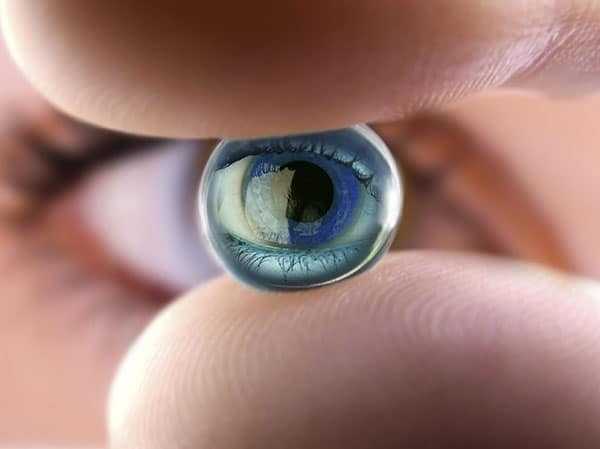
Regular eye tests are an important part of looking after your eyesight, but how often should you have an eye test?
For most people, the NHS recommends having your eyes tested every two years. However, this isn’t a one-size-fits-all rule. Your optometrist may recommend more frequent eye examinations depending on your age, eye health, family history, prescription or individual circumstances.
It’s also important not to wait until your next routine appointment if you’ve noticed a change in your eyesight or have concerns about your eyes.
In this guide, we’ll explain how frequently you should consider having your eyes tested, why regular eye examinations matter and when it may be worth booking an appointment sooner.
Why Are Regular Eye Tests Important?
It’s easy to think of an eye test simply as a way of finding out whether you need new glasses.
While checking your vision and prescription is an important part of the appointment, an eye examination also allows your optometrist to assess the health of your eyes.
Some eye conditions can develop without obvious symptoms during their early stages. The NHS notes that your eyes rarely hurt when something is wrong, which is one of the reasons regular examinations are so important. Optometrists are trained to recognise abnormalities and conditions including cataracts and glaucoma and can refer you for further investigation when necessary.
An eye test can therefore help to:
- Check how clearly you can see
- Determine whether you need glasses or a change to your prescription
- Assess different aspects of your eye health
- Identify signs that may require further investigation
- Monitor changes between appointments
Even if you feel that your eyesight hasn’t changed, keeping up with your recommended appointments remains important.
How Often Should You Have an Eye Test as an Adult?
As a general guide, most adults should have an eye test every two years.
At the end of your examination, your optometrist can advise when they recommend seeing you again. This interval may be shorter depending on what they find and your individual circumstances.
If you’ve been advised to return sooner than two years, it’s important to follow the recommendation provided by your optometrist.
Likewise, if something changes between appointments, you don’t need to wait until your next scheduled eye test.
Should You Have an Eye Test More Often as You Get Older?
Our eyesight and eye health can change as we get older, and certain eye conditions become more common with age.
Your optometrist will consider your age alongside other factors when recommending how frequently you should have your eyes examined. Some people may therefore be advised to attend more frequently than the standard two-year interval.
This doesn’t necessarily mean that something is wrong with your eyes. More regular monitoring can simply allow your optometrist to keep a closer watch on changes to your vision or eye health.
If you’re unsure when your next appointment should be, your optician can advise you based on your previous examination and individual circumstances.
How Often Should Children Have an Eye Test?
Regular eye examinations are also important for children.
Good vision can play an important part in a child’s learning and development, but younger children may not always recognise or explain that they’re having difficulty seeing.
Signs that could suggest a child is having difficulty with their vision can include:
- Sitting particularly close to the television
- Holding books or screens close to their face
- Squinting when looking into the distance
- Regular headaches
- Frequently rubbing their eyes
- Having difficulty seeing the board at school
The NHS advises arranging an optician’s appointment if a child shows signs of short-sightedness or hasn’t had an eye test for two years.
Children don’t need to be able to read to have their eyes examined, so an eye test can be carried out from a young age.
Your optometrist can advise how frequently your child should return based on their eyesight and individual needs.
Do You Need More Frequent Eye Tests If You Wear Glasses?
Wearing glasses doesn’t automatically mean you need an eye test more frequently than everyone else.
However, your prescription can change over time. Regular examinations allow your optometrist to check whether your existing prescription continues to provide the vision you need.
You shouldn’t necessarily wait for your next routine appointment if you’ve started experiencing problems such as:
- Blurred vision
- Difficulty focusing
- Increased eye strain
- Frequent headaches
- Difficulty seeing clearly when driving
- Problems reading or working at a computer
These symptoms don’t necessarily mean that your glasses prescription has changed, but an eye examination can help determine whether your vision needs reassessing.
What If You Wear Contact Lenses?
Contact lens wearers should also keep up with their recommended eye examinations and contact lens appointments.
A contact lens check is different from a standard eye examination. In addition to checking your vision, your optician may need to assess how well your lenses fit, how comfortable they are and whether they’re continuing to meet your needs.
If your contact lenses become uncomfortable or you notice persistent redness, dryness or irritation, seek advice rather than waiting until your next scheduled appointment.
Should You Have More Frequent Eye Tests If Glaucoma Runs in Your Family?
Family history can be an important consideration when deciding how frequently your eyes need examining.
Glaucoma can sometimes develop without noticeable symptoms and is often detected during a routine eye examination. The NHS recommends regular eye tests at least every two years and notes that people at higher risk of glaucoma, including those with a parent or sibling with the condition, may be advised to have their eyes examined more frequently.
Make sure your optometrist knows about relevant eye conditions in your family. This information can help them assess your individual risk and recommend an appropriate examination schedule.
Should People With Diabetes Have More Frequent Eye Tests?
Diabetes can affect the eyes, which makes regular eye care particularly important.
If you have diabetes, you may already attend diabetic eye screening appointments. However, diabetic eye screening and a routine sight test have different purposes, so attending screening doesn’t mean you should stop having regular eye examinations.
Your optometrist can advise you how frequently you should have your sight tested based on your individual circumstances.
Do You Need an Eye Test If Your Vision Seems Fine?
Yes. You shouldn’t only book an eye test when you think you need new glasses.
One of the most important reasons for having regular eye examinations is that some eye conditions may not cause noticeable symptoms during their early stages.
A sight test assesses more than whether you can read the letters on an eye chart. Your optometrist also examines your eyes and looks for abnormalities or changes that may need monitoring or further investigation.
This means an eye test remains worthwhile even if you’re happy with your current vision.
When Should You Book an Eye Test Earlier?
The two-year recommendation is a general guide rather than something you should follow regardless of your symptoms.
If you’re concerned about your eyesight before your next appointment is due, speak to your optician. The NHS specifically advises contacting your optometrist if you’re concerned about your sight rather than simply waiting for your next routine examination.
You might consider arranging an appointment if you’ve noticed:
- Your vision becoming increasingly blurry
- Difficulty focusing at particular distances
- Frequent headaches or eye strain
- Problems seeing when driving, particularly at night
- Persistent eye discomfort
- A noticeable change in your vision
Sudden or significant changes to your eyesight can sometimes require urgent assessment, so don’t wait for a routine eye examination if you’re concerned about a new or severe symptom.
How Often Can You Have a Free NHS Eye Test?
Not everyone has to pay for their eye examination.
If you’re eligible for a free NHS sight test, the usual interval is every two years, although you may be able to receive one more frequently if your optometrist considers this clinically necessary.
NHS sight test eligibility depends on your circumstances. This can include factors such as age, certain medical conditions and receipt of qualifying benefits.
If you’re unsure whether you’re eligible, speak to your optician or check the current NHS eligibility criteria before your appointment.
What Happens During an Eye Test?
Your appointment will involve more than simply reading letters from a chart.
Your optometrist will assess your vision and determine whether you need corrective lenses or a change to your existing prescription. They will also examine your eyes for signs of abnormalities and eye conditions.
The exact tests carried out can vary depending on your age, symptoms, eye health and individual needs.
At the end of the examination, your optometrist will discuss their findings with you, explain whether your prescription has changed and advise when you should next have your eyes examined.
When Was Your Last Eye Test?
So, how often should you have an eye test? For most people, the answer is around once every two years, unless your optometrist recommends otherwise.
The important thing is not to assume that good vision means you don’t need regular examinations. Eye tests provide an opportunity to check both your eyesight and your wider eye health.
If you can’t remember when you last had your eyes tested, or you’ve noticed a change in your vision since your previous appointment, it may be time to arrange one.
Book an Eye Examination with Bill Opticians
At Bill Opticians, our experienced team provides professional and personalised eye care across our practices in Devon.
A thorough eye examination gives us the opportunity to assess your vision, check your eye health and discuss any concerns you may have. We’ll also advise you when we recommend returning for your next examination based on your individual needs.
If you’re due an eye test, contact your nearest Bill Opticians practice to arrange an appointment.